Development of a pricing model for decentralized electricity mini-grids in Senegal
The strategy adopted by Senegal in 2025 for the implementation of its Electricity Access Program places a significant emphasis on off-grid electrification systems to promote universal access to affordable, reliable, sustainable, and modern energy (SDG 7).
Pursuant to the 2021 Electricity Code, a new regulatory framework has been established, setting out the terms and conditions for the design, implementation, delegation, operation, and monitoring of Decentralized Rural Electrification (DRE) projects.
The Electricity Sector Regulatory Commission (CRSE) is responsible, among other things, for determining and regulating electricity sales tariffs for end consumers. To this end, it must have and implement the appropriate tools and methodologies.
With support from GIZ, the CRSE has entrusted Phoenix with the development of a tariff regulation model for DREs.
As central tool for determining and regulating DRE tariffs, the objective of this model is to determine the specific tariff standards applicable to different technologies based on the actual costs borne by the delegated operators, in accordance with national regulations and international best practices.
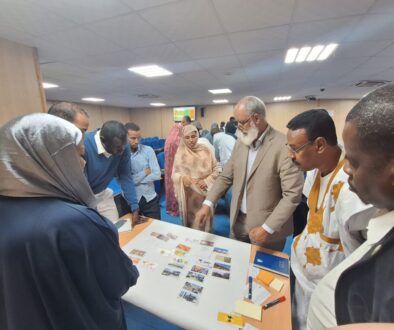
This model is being developed in close collaboration with CRSE management to ensure it meets their expectations and needs in terms of input data, configuration, calculations, output data, functionality, and ergonomics. The challenge is to develop a model that is easy to use and understand, scalable and adaptable to the variety of scenarios that will arise, and robust and accurate to ensure reliable results.
This project will be completed by training CRSE staff in the use of the model and a skills transfer for its development and updates.