Regional drinking water interconnection for the Gulf States
In the Gulf Cooperation Council (GCC) countries, drinking water relies overwhelmingly on seawater desalination. Marine pollution, an industrial accident or a regional crisis could shut down one or more plants and leave millions of people without water within a matter of days.
To reduce this vulnerability, GCC leaders called for a study into the feasibility of drinking water interconnections between member states. The model already exists in the electricity sector: established in 2001, the GCC Interconnection Authority (GCCIA) has operated a regional power grid since 2009, to which all six countries are now connected.
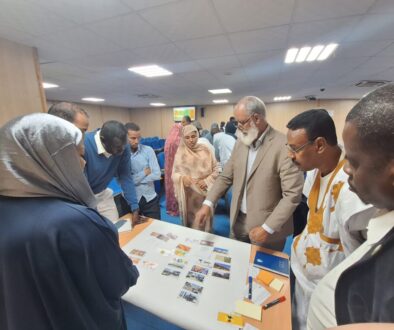
The GCC General Secretariat commissioned Artelia to carry out this feasibility study. Working alongside them, Phœnix led the economic and financial analysis of the proposed interconnections. This is not a conventional commercial project: the primary purpose of these facilities is to come to the aid of a neighboring country in a crisis.
Our assignment was to:
- estimate the cost of a supply crisis for each country, in order to measure the damage an interconnection would help avoid;
- determine, for each link, the crisis duration and frequency above which the investment is justified for society as a whole;
- assess the full cost of the infrastructure and how to finance it: tariff structure, share of fixed costs, and need for public subsidies.
An emergency interconnection is judged less by the volumes it carries than by the service it provides on the day a plant goes offline. Its cost should therefore be weighed against the damage it averts: it is the price of collective insurance against supply crises.
This approach has direct implications for financing. It points toward remunerating the capacity made available rather than just the cubic meters delivered, and toward striking the best balance between security of supply and water trading in normal times.
Decisions on the construction, financing and implementation of the first links are expected once the study is complete. This is a flagship project for regional cooperation, and a showcase of our expertise in support of public water utilities.