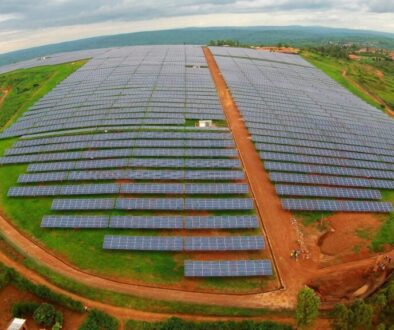
Desert-to-Power: Integrating solar power generation in Chad
The “Desert-to-Power” initiative, supported by the African Development Bank (AfDB), aims to harvest the solar potential of 11 Sahelian countries with an initial focus on the G5 Sahel countries (Burkina Faso, Chad, Mali, Mauritania, Niger). Five priority actions are identified:
- Development of grid-connected solar generation capacity,
- Reinforcement and extension of distribution and transport networks,
- Deployment of decentralized solutions,
- Improving the efficiency of public services,
- Development of an enabling environment for private investment.
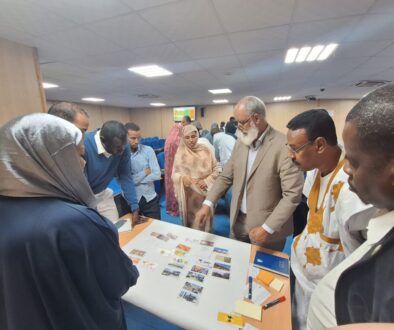
Studies on the integration of solar production into the electricity networks of different countries were launched those last weeks. It’s about:
- assess the development potential of solar production,
- identify the needs for reinforcement and extension of the associated storage, transport and distribution infrastructures and,
- in the end, propose a roadmap for the development of renewable energies in the short, medium and long term.
In Chad, Phoenix is in charge of demand analysis and forecasts, economic and financial analysis of the proposed solutions and evaluation of institutional implementation methods. Training of stakeholders in the analysis and economic and financial modeling of renewable energy projects is also planned.
Today, electricity production in Chad is essentially thermal and clearly insufficient to meet needs. The total installed capacity is around 160 MW, of which more than 90% in N’Djamena. The access rate to electricity is less than 10%. The network is highly fragmented and inefficient. Despite numerous initiatives to increase the access rate to 30% as part of a government emergency plan, the significant solar potential remains largely untapped and questions arise about the network’s ability to integrate solar production.