Integrated development of residential areas in the outskirts of Bishkek, Kyrgyzstan
The population of Bishkek, capital of Kyrgyzstan, has almost doubled since 1989 and today exceeds 1 million inhabitants. In the next 15 years, it is expected to increase by 40%. This uncontrolled growth has resulted in strong urban sprawl, representing a major challenge in terms of access to basic services.
The Bishkek municipality tackled the problem by initially focusing on five priority areas on the outskirts of the city: Kalys-Ordo, Ak-Bosogo, Archa-Beshik, Bakai-Ata, Rukhiy-Muras. These areas have around 75,000 inhabitants and suffer from a lack of basic urban services but also of economic and commercial activities.
With the support of the Cities Development Initiative for Asia (CDIA), a fund administered by the Asian Development Bank (ADB), Groupe Huit and Deka Group were tasked with identifying an investment program to improve the quality of life of populations in these peripheral areas. Phoenix was associated with the group as a specialist in municipal finances, economic and financial analysis and financing programs.
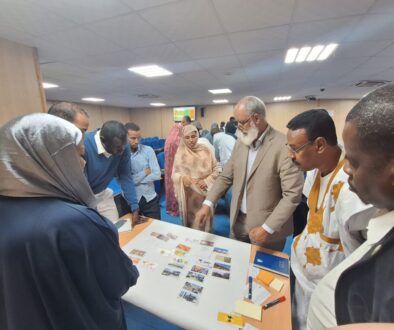
Based on a complete urban diagnosis, a strategic vision of the city’s development was developed by broadly involving not only the municipal authorities but also the communities directly involved in the residential areas.
Integrated territorial development, social inclusion, strengthening of the local economy, preservation of environmental assets are the pillars of the program to improve the quality of life in the areas.
It includes:
- the development of “centralities” within the areas to transform them into truly urban areas equipped with public services, infrastructure and commercial and income-generating activities,
- the creation of five multifunctional social complexes, kindergartens, leisure facilities, parks, as well as green and blue corridors and nature-based solutions to strengthen neighborhood resilience,
- improvement of public infrastructure, such as road access, crossing structures, sanitation, drainage and flood management infrastructure,
- capacity building actions to support the city in implementing investments.
The cost of the program reaches nearly 140 million USD of investment, to be carried out over the next 10 years. It will benefit from the support of the Asian Development Bank and the Asian Infrastructure Investment Bank (AIIB).