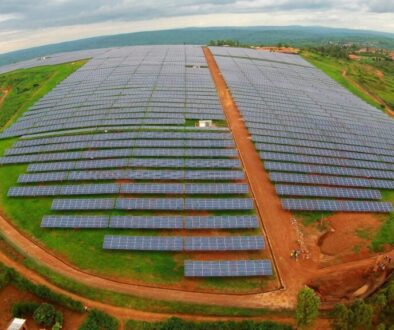
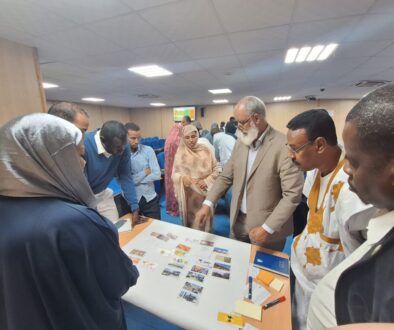
Electricity access survey in Burkina Faso
Access to electricity in Burkina Faso is 25% of population, with a strong disparity between urban areas (65%) and rural areas (10%). The country is committed to achieving Sustainable Development Goal (SDG) 7.1 for sustainable access to affordable, reliable and modern energy by 2030.
One of the first steps is establishing a baseline for monitoring progress. For this, the Government, with the support of the World Bank, launched the first Global Household Energy Access Survey. This survey is based on a multi-dimensional approach, called the World Bank’s Multi-Tier Framework (MTF). This approach improves the assessment and monitoring of progress in terms of access to electricity compared to traditional binary methods, such as having or not having an electricity connection, using or not a clean cooking method, etc.
The survey is very heavy: it covers urban and rural areas at the national level. It covers 4,000 households and is supplemented by community leaders survey and a survey of educational and health establishments located within a radius of 5 km.
Given the COVID-19 pandemic and the security context, the investigation is conducted entirely by telephone and captured digitally. Cerya is carrying out these investigations, and Phœnix is overseeing this mission.