Assessment of the electricity sector in Niger
Recent events in Niger have shined the spotlight on this country and particularly reveal the fragilities of its electricity sector. Nigeria’s suspension of the country’s electricity supply through the Kainji dam, which provided more than 70% of resources, and the cessation of work on the Kandadji dam, which was to be commissioned in 2028, highlight harm the current development dynamic.
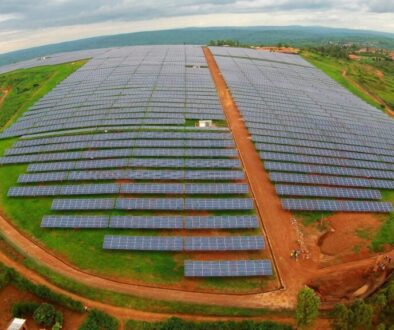
The recent commissioning of the Gorou Banda photovoltaic solar power plant (30 MW), co-financed by the European Union, the French Development Agency and Niger, has made it possible to ‘give air’, but the lack of electricity supply remains, notably aggravating power cuts.
The rate of access to electricity in Niger is one of the lowest in Sub-Saharan Africa. Less than one household in five has access to this service. Access is even lower in rural areas (5%) where 80% of the country’s population resides.
After having profoundly reformed the sector in 2015 with, in particular, a new electricity code and the strengthening of institutions, the government adopted in 2018 a National Strategy for Access to Electricity (SNAE) aimed at ensuring universal coverage, 85% of which via the national interconnected network.
To achieve this ambitious objective, major development projects have been launched in recent years with the massive support of international financial institutions.
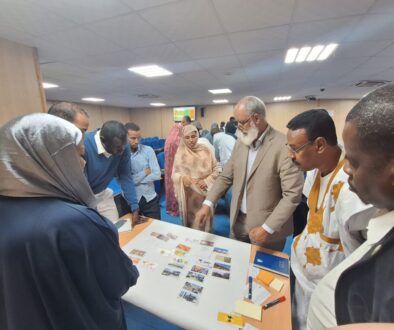
The World Bank wanted to take stock of these efforts by entrusting Phoenix with a complete evaluation of the sector. This involves evaluating the strategic, legal, regulatory and institutional framework of the sector, its governance and human resources management, the investment programs and their financing, the financial balance of the sector in order, if necessary, to propose a reorientation of programs and support measures.
Finalized in July, the results of this mission were disseminated at the beginning of September. The areas for progress relate to:
- The strengthening of the institutions responsible for steering, developing and regulating the sector, with an emphasis on governance;
- The modernization of NIGELEC’s operational management tools;
- A redefinition of the investment program priorities including the development of regional and national interconnection and solar production and the construction of the Kandadji hydroelectric power plant;
- The return to financial balance of NIGELEC, via control of tariff increases and debt;
- The acceleration of rural electrification with clarification of the conditions of delegation to the private sector and pricing rules.