Accelerating the energy transition in Djibouti
70% of Djibouti’s electricity supply comes from hydroelectric power, imported from neighboring Ethiopia. This capacity is planned to be increased through the second interconnection project between the two countries, supported by the World Bank. The remaining supply is provided by thermal power plants.
Djibouti’s Vision 2035 calls for an ambitious transition to 100% renewable energy by 2035. Djibouti has taken significant steps to restructure its electricity sector, introducing the Independent Power Producers Act and creating a national regulator. Electricité de Djibouti (EDD) has also embarked on a major program to increase its renewable energy production capacity, strengthening the role of wind and solar power in the energy mix.
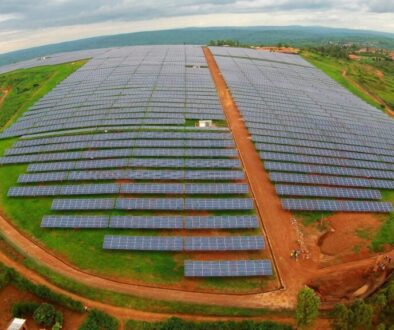
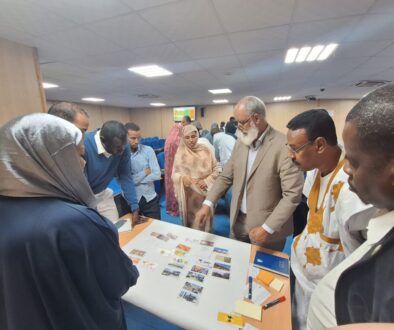
Phoenix is contributing, along with Artelia, to pre-feasibility studies for the development of solar and wind farms. The mission aims to assess the technical, economic, environmental, and social viability of renewable energy projects in the PK51, Karta, Grand Bara, and Ali Sabieh and Dikhil regions. The mission also includes an economic study to assess and maximize the socioeconomic benefits for women and the potential impact of these renewable energy projects on local communities and the environment.
At this stage, two wind farms and one solar farm, each with a capacity of approximately 20 MW, are being designed. Phoenix is analyzing the economic and financial viability of these projects based on various technical design and contractual framework options.
This mission is part of the World Bank’s “Maximize Finance for Development” (MFD) program, which aims to promote investment in Djibouti’s solar, wind, and geothermal resources, fostering the emergence of independent power producers (IPPs) in line with the country’s objectives.