Improving urban water sector management in the Central African Republic
Political, social and security unrest in the Central African Republic has led to a significant delay in the development of basic services, including the public drinking water service. For several decades, the low level of economic development, the regulatory and bureaucratic framework, the lack of financial resources and the delay in investment in infrastructure have prevented the national drinking water company from providing a quality service to the population.
The Water and Electricity Services Improvement Project (PASEEL), supported by the World Bank, aims to improve SODECA’s operational performance and increase access to an improved water supply in Bangui and the 7 secondary centers served by the national water company.
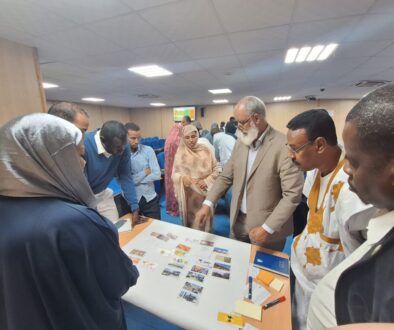
The project is based on the ‘Utility of the Future’ methodology, which aims to bring about a sustainable transformation of water services by strengthening SODECA’s internal capabilities in strategic, commercial, technical, financial and human resources areas. This approach, based on commitment and co-construction, helps to identify short-term and longer-term actions to meet the water utility’s priority challenges.
In this context, the Phœnix Consulting International/Artelia consortium was commissioned by the World Bank to :
- • Support the implementation of the UoF program with SODECA;
- Draw up recommendations concerning the organizational structure and human resources policies and practices of the national water company;
- Carry out a tariff study to propose pricing grid options that not only recover the costs of the service, but also ensure a reasonable cost of service for the poorest populations;
- Draw up a 5-year strategic plan for the national company;
- Make recommendations concerning the KPIs to be included in SODECA’s future concession contract.
The services will enable the World Bank to (i) advise SODECA on essential improvements to its key strategies and operational policies, and (ii) identify tools and investments that could be included in a future World Bank-supported project.